
Article
The Strategic Convergence of SAP S4/HANA with Azure Adaptable Storage
Organizations are constantly seeking efficient ways to manage, store, and process their vast amounts of enterprise data.
The integration of SAP S/4HANA, SAP's flagship enterprise resource planning (ERP) system, with Microsoft Azure Storage represents a powerful combination that addresses these challenges head-on. Our team of certified SAP and Microsoft Azure specialists bring a proven track record of successful enterprise migrations and integrations across diverse industries.
We are able to create a seamless one-to-one bridge (no third parties necessary) between your mission-critical business processes and cloud-based or onsite storage infrastructure, opening new possibilities for data management, accessibility, and scalability.
A New Era for Enterprise Computing
When organizations deploy SAP environments on Microsoft Azure, they unlock a transformative approach to enterprise computing that extends far beyond traditional on-premises implementations.
This architectural approach positions businesses to leverage Azure's secure and versatile infrastructure while maintaining the mission-critical SAP applications that power their core operations.
Strategic Advantages
Elastic Computing Resources
Azure's SAP-certified infrastructure delivers exceptional scalability for SAP S4/HANA workloads, with specialized M-series virtual machines supporting up to 12TB memory configurations and dedicated HANA instances scaling to an impressive 20TB on single nodes.
This elastic computing fabric ensures organizations can dynamically adjust resources to match fluctuating business demands without overprovisioning.
Fortified Security Architecture
The Azure security model implements defense-in-depth specifically optimized for SAP environments, featuring SAP-validated threat detection capabilities through Microsoft Sentinel.
This comprehensive security posture extends across hybrid environments while supporting regulatory alignment with global compliance frameworks essential for sensitive enterprise data.
Ecosystem Interoperability
The architectural collaboration between Azure and SAP Business Technology Platform creates seamless operational workflows across platforms.
The integration layer is further enhanced through Azure's advanced intelligence capabilities including Microsoft Fabric and Azure OpenAI Service, delivering contextual insights directly within business processes.
With deep expertise in both SAP and Microsoft technologies, IQZ Systems bridges the gap between these powerful platforms, enabling your organization to fully realize the transformative potential of this strategic convergence.
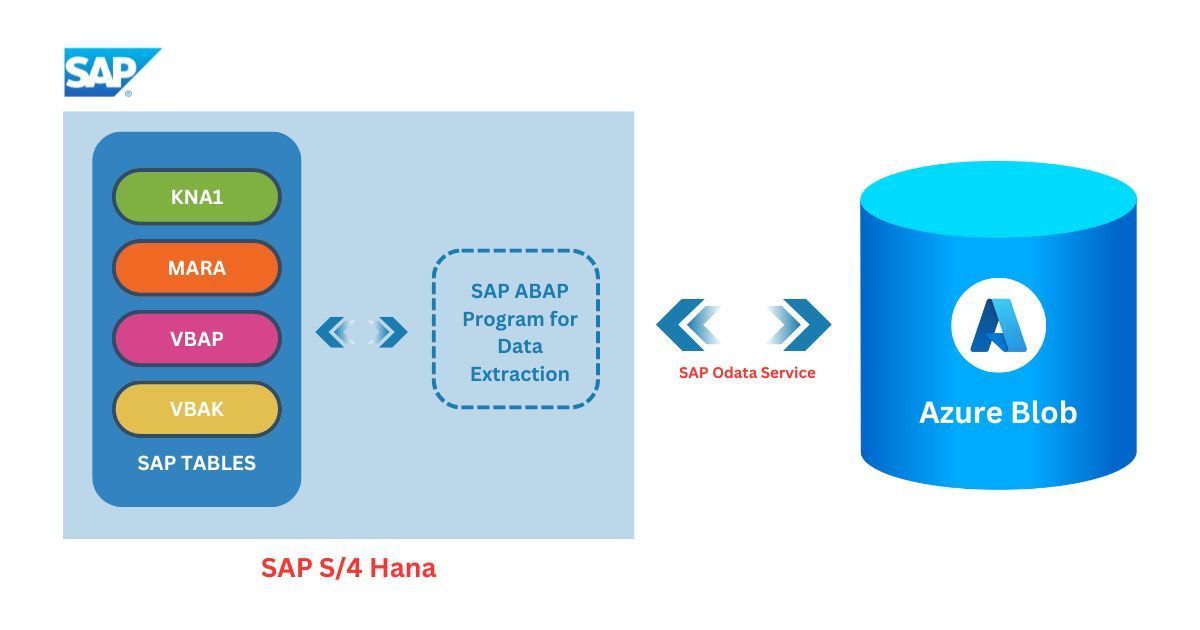
Below we have a system developers overview of our implementation process.
The extraction of data from SAP tables is done through ABAP program and is then transferred to Azure Blob through the SAP OData Service.
Advanced Integration Services
Beyond basic migration, IQZ Systems can implement the full spectrum of integration capabilities between your SAP systems and Azure services, including the development of custom OData services through SAP Gateway and sophisticated data pipelines leveraging Azure Data Factory.
SAP Gateway
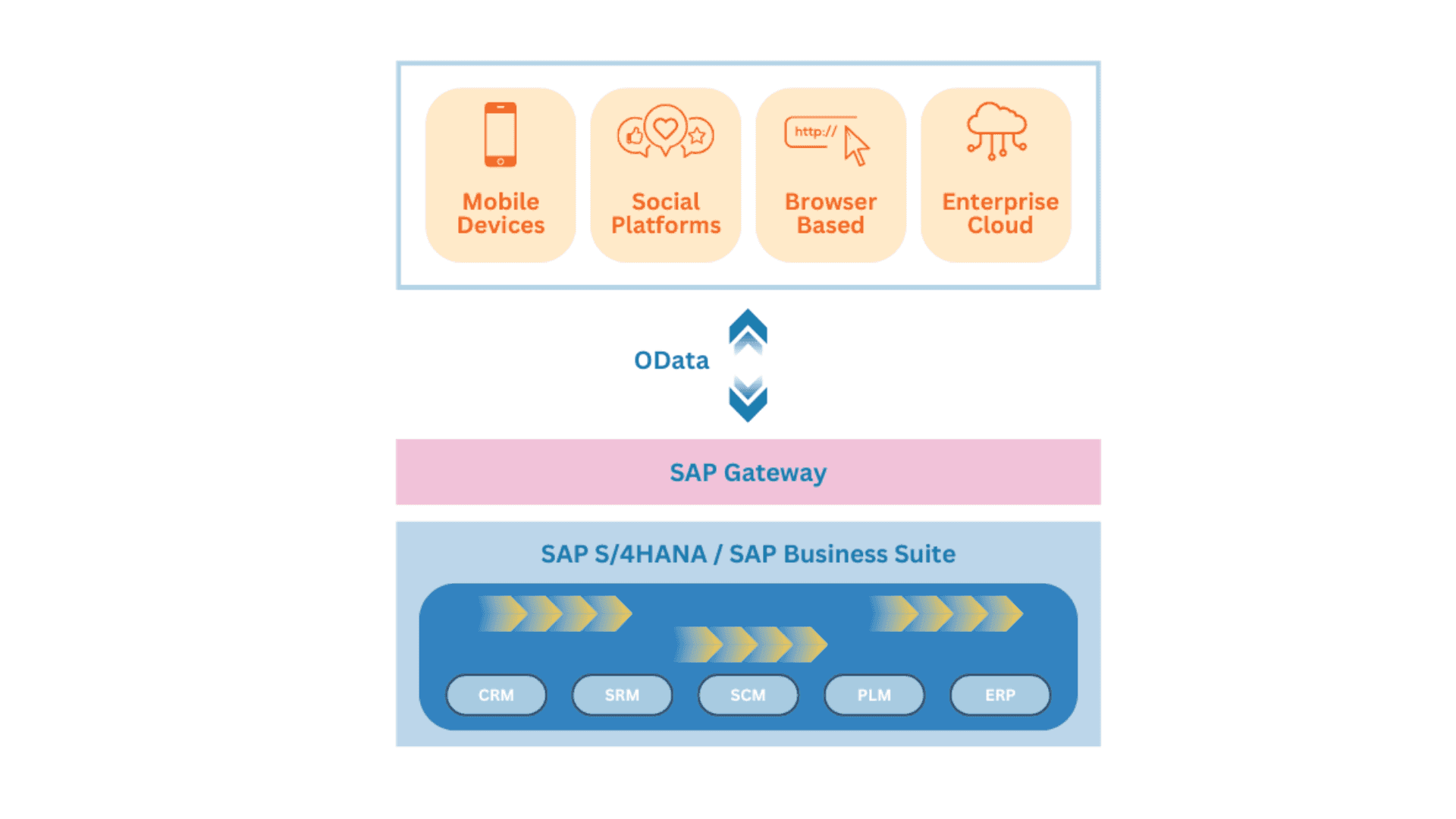
SAP Gateway serves as a powerful middleware technology that exposes SAP's robust business functionality and data through standardized OData services.
Built on the foundation of the ABAP application server, this strategic component of both SAP Business Suite and SAP S/4HANA transforms how organizations leverage their enterprise data.
At its core, SAP Gateway acts as an intelligent intermediary layer that translates complex SAP business processes into accessible, device-agnostic services.
This architecture enables seamless integration between traditional SAP systems and contemporary applications that prioritize user experience across various platforms and devices.
This solution also solves traditional bottleneck of IT-dependent reporting by providing intuitive tools designed specifically for those who need the data, such as finance professionals.
Financial team members can independently create, customize, and distribute reports without technical assistance, dramatically reducing turnaround times and dependencies.
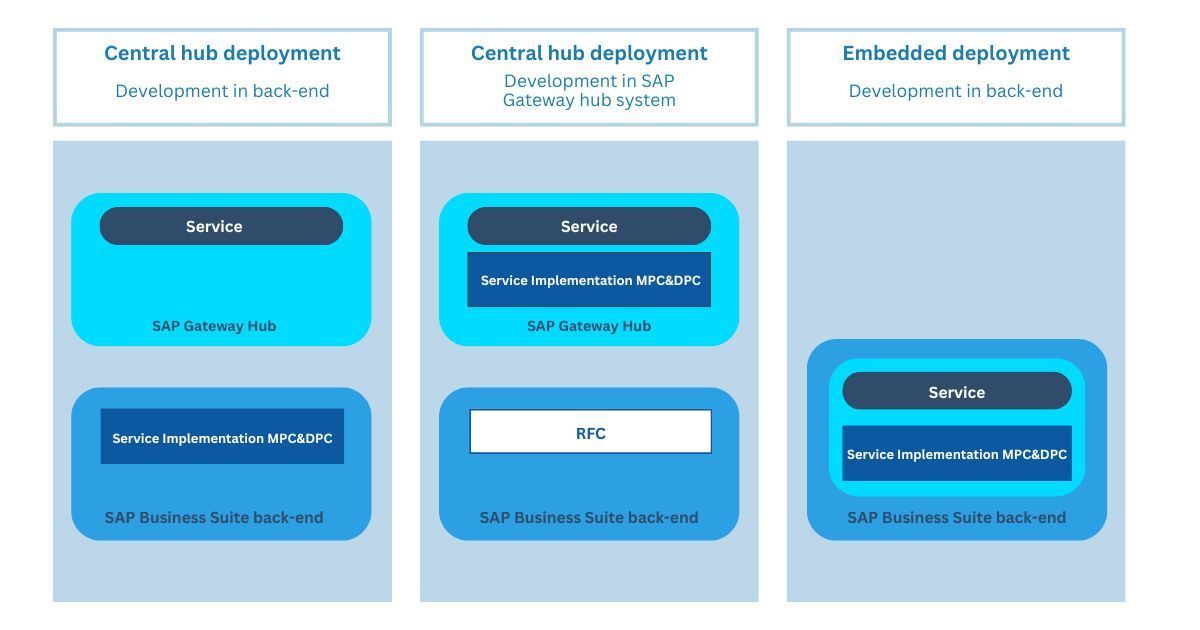
Depending on your preferred deployment, different development options are available for SAP Gateway Foundation:
How Azure Unlocks the Full Potential of SAP
Migrating your SAP applications to Microsoft Azure delivers a powerful combination of benefits that transform your enterprise systems into strategic assets—from AI-driven process modernization and robust disaster recovery to advanced analytics capabilities—all working together to maximize your SAP investment while positioning your organization for future innovation.
1. Modernizing Business Processes
By migrating SAP applications to Azure, businesses can modernize their processes and drive innovation with AI. For example, integrating SAP with Microsoft 365 and Copilot enhances productivity by automating routine tasks and providing customizable agents.
2. High Availability and Disaster Recovery
Azure offers critical disaster recovery solutions for SAP landscapes, including storage replication and SAP S4/HANA system replication. This ensures high availability and minimizes downtime for critical systems.
3. Data and Analytics
Azure provides advanced cloud-scale analytics for SAP data, enabling near-real-time insights. Tools like Power BI Desktop and Azure Data Factory connectors for SAP HANA and SAP BW facilitate self-service visualization and data integration.
4. Business Process Reinvention
Forward-thinking organizations are orchestrating SAP migrations to Azure as catalysts for broader process transformation, using AI integration points between SAP, Microsoft 365, and Copilot to create intelligent automation workflows that dramatically reduce manual intervention in routine operations.
5. Resilient Operations Framework
Azure's distributed infrastructure enables sophisticated business continuity architectures for SAP landscapes through multi-region storage replication paired with native SAP HANA system replication. This approach significantly reduces recovery time objectives while supporting operational integrity.
6. Intelligence Amplification
The Azure analytics ecosystem provides purpose-built connectors for SAP data sources, enabling real-time visibility through Power BI visualizations and orchestrated data pipelines via Azure Data Factory, transforming raw SAP data into actionable business intelligence.
Steps
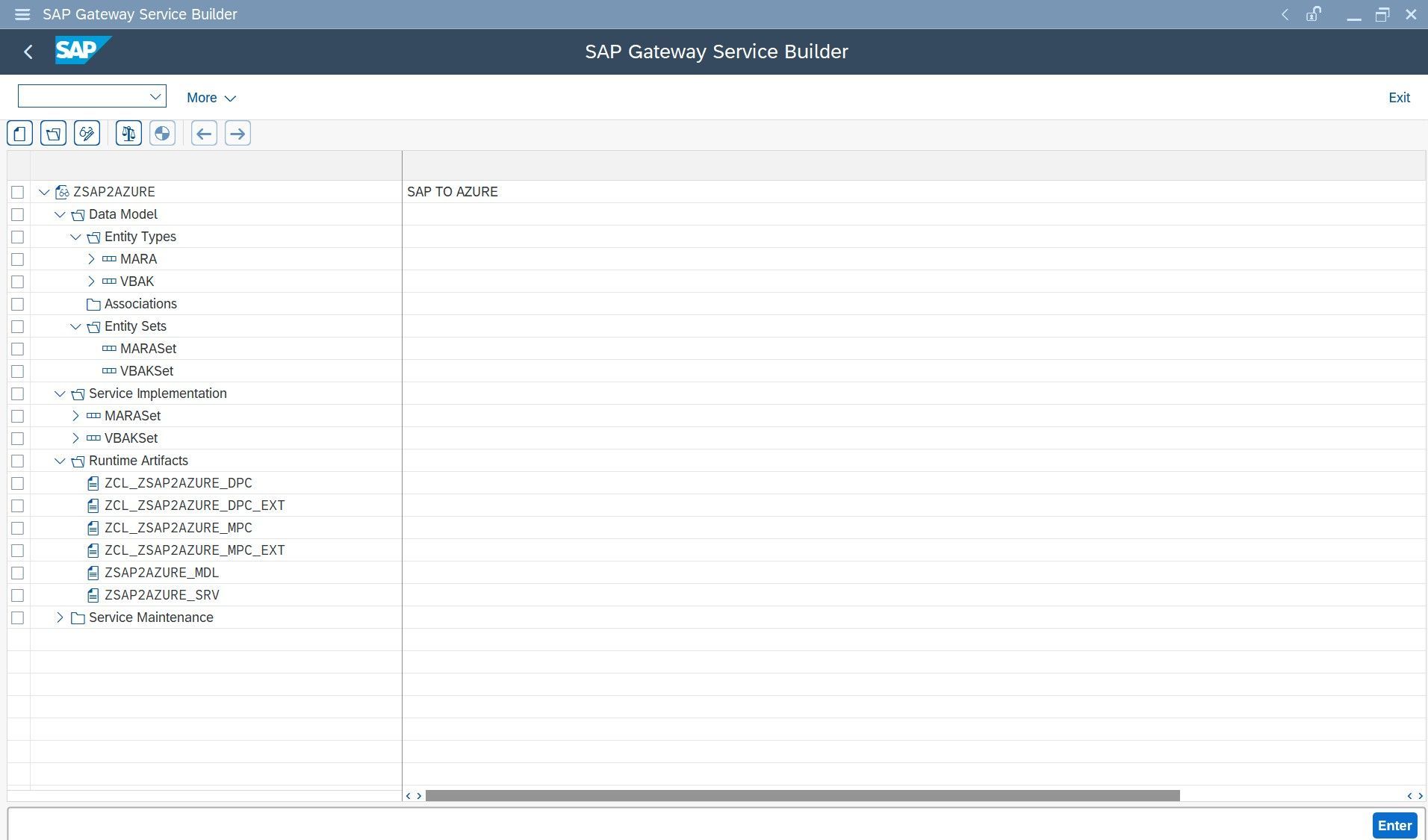
1. Developing SAP OData Services
Regardless of which option you choose, you have to create the OData-Service in the service catalog manually. For creating the OData-Service, use transaction: /IWFND/MAINT_SERVICE.

2. Developing OData Services in SAP S/4 HANA
3. Activate & Maintain Services in SAP S/4 HANA

4. SAP Gateway Client
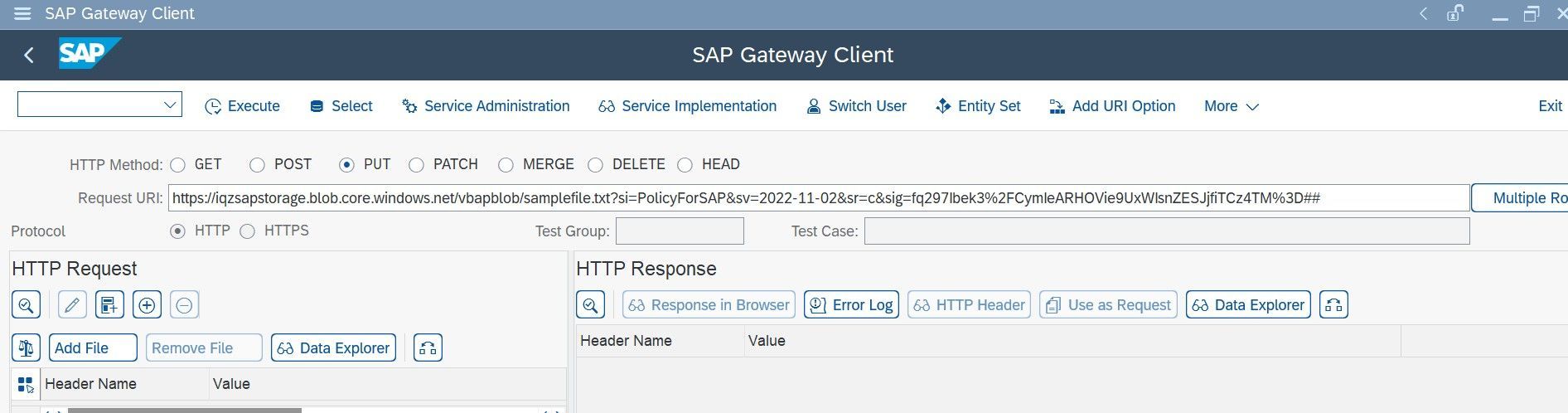
Receiving Data into AZURE Blob
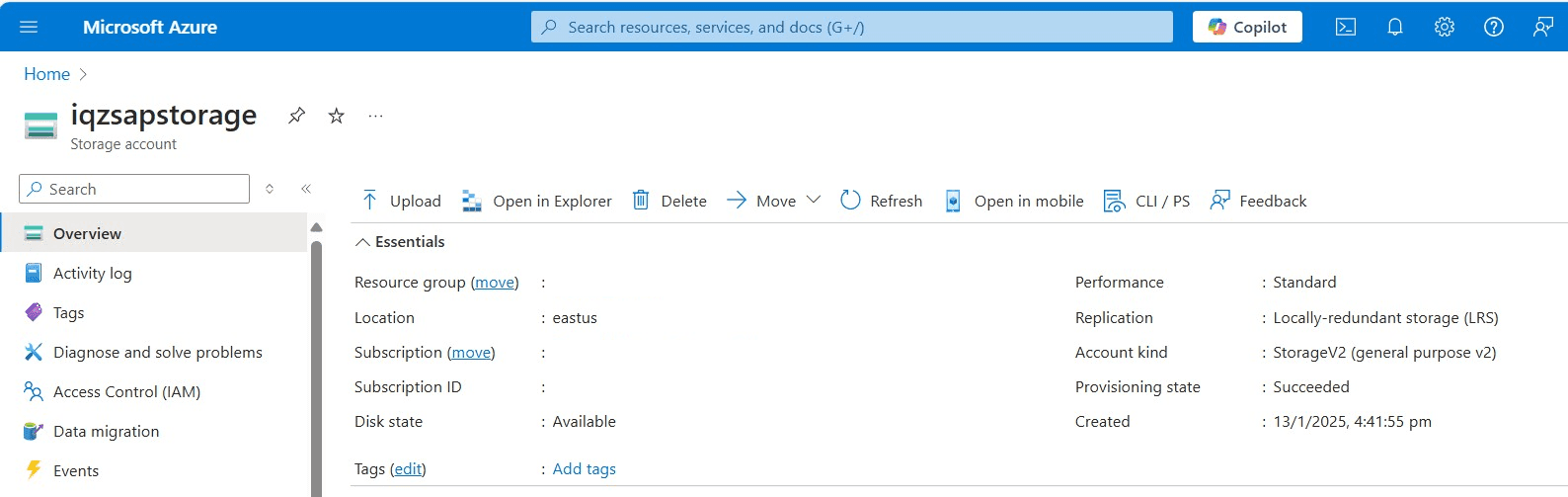
5. Storage Creation
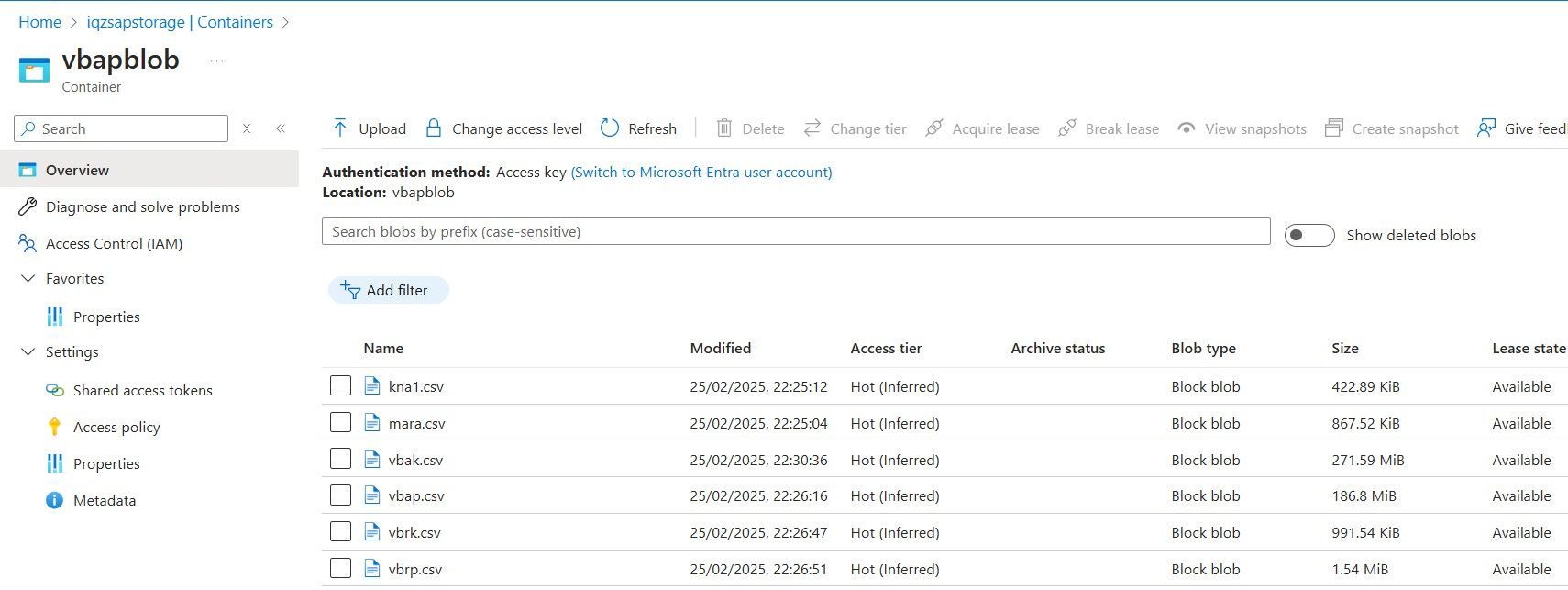
6. Container - Blob Creation
Configurations & Settings
- Access and Required permissions on Azure Blob has been granted to SAP user
- Policy has been defined on the Container
- SAS Token and URL has been generated periodically for Security
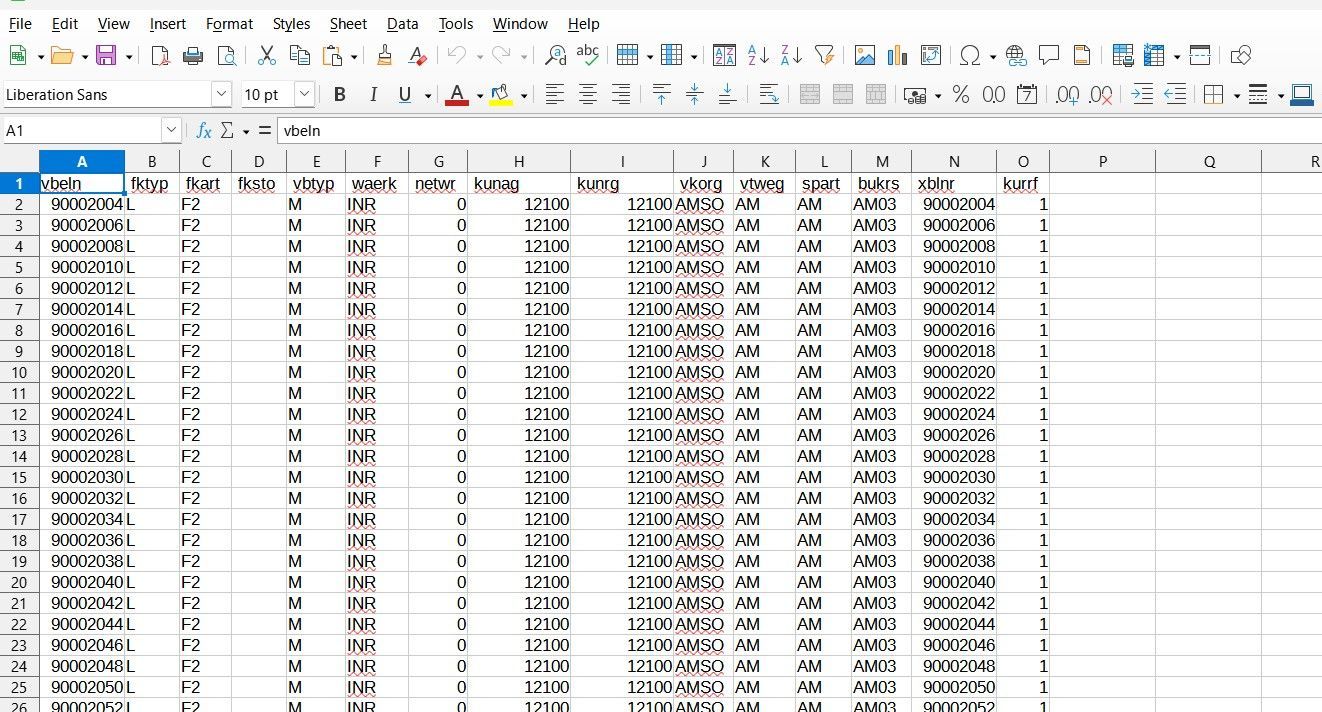
Dedicated CSV file for each table extracted from SAP S4 Hana
Data in .CSV file
Demonstrated Business Impact

The tangible benefits of this architectural approach are evident in organizations like Unilever, which reported unprecedented experimental capacity and innovation acceleration after migration.
Similarly, JFE Steel achieved measurable performance improvements in transaction processing and analytics after implementing SAP S/4HANA on Azure infrastructure.
Reduced TCO: Organizations moving SAP workloads to Azure can lower their total cost of ownership (TCO) up to 50%. These savings come from decreased infrastructure management and the ability to scale resources based on business needs.
Faster Implementation: Employing a cloud solution can simplify infrastructure and speed up SAP workload changes, with development teams making changes 200 to 300 times faster than on-premises infrastructure.
High Availability: Azure offers a 99.95% Service Level Agreement (SLA) for Virtual Machines (VMs) within the same availability set, and 99.99% SLA for VMs within Azure availability zones, ensuring high system availability and uptime.
How IQZ Systems Transforms Business Operations Through SAP and Azure Integration
IQZ Systems delivers targeted solutions to the most pressing challenges facing enterprise data management today.
By expertly integrating SAP S/4HANA with Microsoft Azure Storage, IQZ addresses critical business problems including inflexible computing resources, security vulnerabilities, siloed data ecosystems, and IT-dependent reporting bottlenecks.
White Paper : The Process Intelligence Playbook
IQZ Systems - The Enterprise Guide to Process Intelligence


IQZ Systems - The Enterprise Guide to Process Intelligence
Explore Related Content:
Selected for Your Interest